
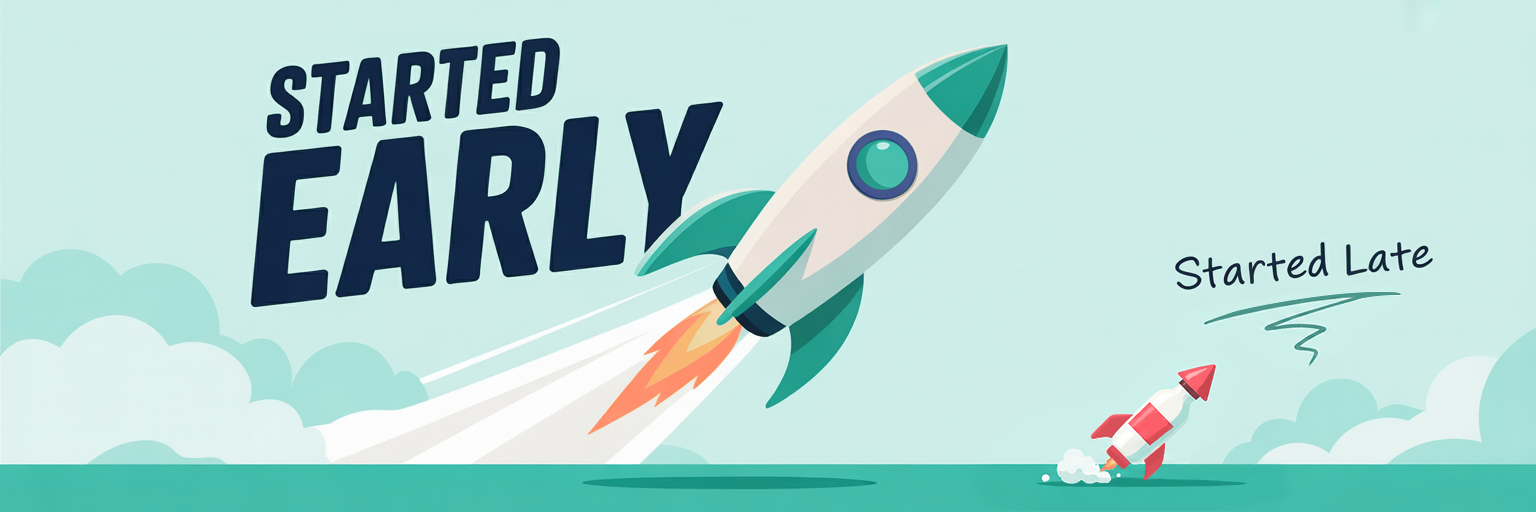
If you’re waiting until October to scale your paid media for the holidays or end-of-year push, you’re already behind.
Every year, brands enter Q4 with aggressive goals and even bigger budgets, expecting platforms like Google, Meta, TikTok, and LinkedIn to deliver instantly. Instead, they run into rising costs, inconsistent performance, and campaigns stuck relearning under pressure.
The issue isn’t the platforms. It’s the timing.
The brands that win Q4 don’t build their strategy in Q4. They use the summer months to train their algorithms, test what works, and build the foundation for efficient scale.
Algorithms Need Time to Learn
Paid media platforms rely on historical data to optimize performance. Whether it’s Google Ads optimization, a Meta ads strategy, or LinkedIn advertising, these systems need to understand who converts, what messaging resonates, and how users move through the process.
When you wait until peak season to increase spend, you force platforms to learn and scale at the same time, in the most competitive environment of the year. That’s where inefficiency creeps in.
Summer gives you a lower-pressure window to build that learning. With more stable costs and less competition, you can feed platforms consistent data so campaigns are ready to perform when it matters most.
Build Stronger Signals Before Costs Spike
As targeting continues to loosen with the rise of AI in ad platforms, platforms depend more on first-party data and behavioral signals.
Summer is the time to strengthen both.
Focus on growing remarketing audiences, expanding customer lists, and driving engagement actions like email signups and content interaction. These signals help platforms better understand your ideal customer before Q4 traffic surges.
When peak season arrives, you are not starting from zero. You are activating audiences that are already qualified and familiar to the algorithm.
Test Creative Before You Need It
Creative is one of the biggest drivers of performance today, but many brands leave testing too late.
Summer is your opportunity to experiment. Test different hooks, formats, and messaging angles. Compare user-generated style content with more polished brand creative. Identify what drives real conversions, not just clicks.
By the time Q4 hits, you should not be guessing. You should be scaling what already works.
Scale Gradually, Not All at Once
One of the most common mistakes in a Q4 marketing strategy is dramatically increasing budgets once the holiday push begins. This often leads to unstable performance and rising acquisition costs.
Instead, use summer to ramp budgets gradually. This allows platforms to adjust to higher spend levels without resetting performance. Campaigns stay stable, and efficiency holds as volume increases.
A more measured approach to scaling sets your campaigns up for stronger paid media optimization when competition peaks.
Use Summer as Your Setup Season
The brands that treat summer as a slowdown often spend Q4 trying to catch up. The ones that treat it as a setup phase enter the holiday season with momentum.
They have stronger data, better creative, and campaigns built to scale.
Q4 success is not built in Q4. It is earned in the months leading up to it.
Train now, and you will be ready to go higher later.
FAQ: Preparing Paid Media for Q4
When should brands start preparing their paid media for Q4?
Brands should begin preparing their Q4 marketing strategy as early as summer. This gives platforms time to learn, allows for proper testing, and ensures campaigns are stable before competition and costs increase.
Why do paid media algorithms need time to learn?
Platforms like Google, Meta, and TikTok rely on historical data and user behavior to optimize performance. The more consistent data they receive over time, the more efficiently they can scale, especially during high-pressure periods like Q4.
What is the biggest mistake brands make with Q4 advertising strategy?
One of the biggest mistakes is waiting too long to scale. Trying to launch and optimize paid media campaigns during peak season leads to higher costs and less efficient performance. Building momentum ahead of time leads to better results.